This is part of The Humanist’s recurring series highlighting openly nonreligious elected officials across the nation. Because of the work of the Center for Freethought Equality, the political and advocacy arm of the American Humanist Association, there are over 130 elected officials at the local, state, and federal level who publicly identify with the atheist and humanist community serving in 35 states across the country. Join the Center for Freethought Equality to help politically empower the atheist and humanist community—membership is FREE!
The Center for Freethought Equality’s advances have been groundbreaking. Prior to the 2016 election, there were only five state legislators and no members of Congress who publicly identified with our community; because of its efforts, today we have seventy-seven state legislators and three members of Congress – Yassamin Ansari (AZ-3), Jared Huffman (CA-2), and Emily Randall (WA-6) – who publicly identify with our community. It is critical that our community connect and engage with the elected officials who represent our community and our values—you can see a list of these elected officials here.
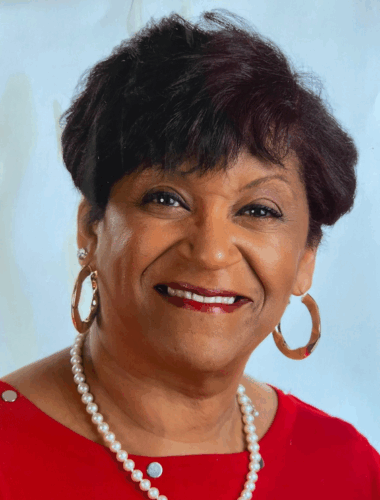
City Councilmember Monica Wilson
Representing Parma, Ohio in City Council Ward 1
“When someone who doesn’t identify with a faith tradition steps forward to serve with integrity and compassion, it broadens the idea of who belongs in public life.”
Monica Wilson is the City Council member representing Ward 1 in Parma, Ohio. She is a long-time resident of the city, having lived there for over 30 years since moving from Michigan. Professionally, she holds both Bachelor of Science and Master of Science degrees in Chemical Engineering and has spent more than three decades in the paints and coatings industry, including various global senior management positions like Global Polymer Technology Manager. Dedicated to civic engagement, Councilmember Wilson has served on several key city committees, including Finance, Planning, and Public Service, and is the Chairwoman of the Governmental Operations Committee and Vice Chairwoman of the Public Housing Committee. She attributes her values of perseverance and empathy to growing up in a working-class, union, Democratic household, which informs her commitment to being an unwavering voice for her constituents, especially in regards to issues like flooding, public safety, and supporting first-time home buyers. Councilmember Wilson is a humanist.
What motivated you to run for office?
For a few years, I was an activist with Moms Demand Action and the Ohio Poor People’s Campaign. Through that work, I noticed a pattern that every meaningful change required a legislator willing to stand beside the movement. After January 6, I realized I wanted to be that legislator: the person on the inside helping to turn advocacy into action.
My professional background prepared me for that responsibility. During my years as a global technical executive in the paints and coatings industry, I learned how to solve complex problems through teamwork, transparency, and listening. Those same skills translate directly into public service. I wanted to bring that mindset to my own community by making sure every resident knows their voice matters. I ran because I wanted Parma to reflect all of her citizens and because I believe local government should be practical, people-centered, and kind.
What are your policy priorities and how does your nonreligious worldview impact your policy platform?
My priorities are grounded in the everyday needs of residents; improving infrastructure, increasing neighborhood safety, and supporting opportunities for families to thrive. My nonreligious worldview shapes how I approach those priorities. It centers me in reason, fairness, and compassion. I believe decisions should be made based on evidence and empathy, not arbitrary rules from ideology.
While I believe in the ethics and philosophies of Christianity, I no longer believe in the stories. I believe that all humankind extends from the same eternal collective consciousness and that when I connect with a person on a spiritual level, I am connecting with myself. In other words, I believe we are all the same organism and that outlook has profoundly influenced my worldviews.
That mindset helps me focus on what truly matters, which is listening to residents and making choices that improve quality of life for everyone. Whether it’s replacing aging streets or supporting programs that lift families, I try to bring logic, empathy and kindness to every conversation.
Why was it important for you to be open about your nonreligious identity?
I’ve always believed that honesty builds trust and being open about my nonreligious identity is being authentic. Many people quietly share similar views, and representation matters. When someone who doesn’t identify with a faith tradition steps forward to serve with integrity and compassion, it broadens the idea of who belongs in public life.
For me, it’s also about showing that morality doesn’t come from a label and that it comes from how we treat people. Service, kindness, and fairness are universal values. Being open about who I am helps others feel seen and included, and that’s what community is all about.
How did voters respond (if at all) to your openness about your nonreligious identity?
I got no response, as I don’t think it matters to them. Most people care about results and they want their roads repaired, their neighborhoods safe, and their voices heard. On the council level, most voters in Parma tend to judge you by your work ethic and how much you’ve achieved. The more I’ve served, the more I’ve learned that authenticity earns far more respect than trying to fit a mold. I think voters respond to that honesty and to the sense that I serve because I care, not because of a religious identity.
Use this link to learn more about Councilmember Monica Wilson’s work in the Parma City Council.